

FOR HARD WORKERS IN THEIR 50’s & 60’s
You've Spent Decades Building It.
Let's Make Sure You Keep It.
The biggest financial mistakes don't happen while you're saving.
They happen in the first 5 - 10 years before and after your retirement date. Most of them are tax mistakes that could have been avoided.
THE THREE BIG QUESTIONS
Every client I work with starts here.
“Am I actually on track for the life I want?”
Most people approaching retirement don't know the answer — not because they haven't saved enough, but because nobody has run the numbers specific to their income, spending, timeline, and their tax situation all at once.
“How do I reduce my lifetime tax bill?”
Roth conversions, withdrawal sequencing, Social Security timing, what to do before RMDs force your hand — these decisions have a right and wrong answer for your specific situation. Most people guess. Guessing is expensive.
“How do I turn my savings into reliable retirement income?”
A portfolio built to grow is not the same as a portfolio built to pay you. Converting what you've saved into a paycheck you can count on — without running out — requires a deliberate strategy, not just an investment mix.
Most of the damage happens before you realize it.
When you retire, you take control of your income in a way you never had while working. That control is valuable — but only if you use it deliberately. Pull from the wrong accounts first and you've created a tax problem that follows you for decades. Miss a Roth conversion window and you've locked in a higher bracket for the rest of your life. Get surprised by RMDs and your Medicare premiums spike two years later.
None of these are complicated concepts. They're decisions most people don't know they need to make until it’s too late.
Tax planning for retirement is where I spend the most time with clients. It's not the glamorous part — but it's where the most money is saved.

Have you ever thought, or asked yourself any of these?
-
This question is personal to each family, but answering it is crucial. I take the time to work with you and help you frame what needs to happen between now and the future for you to consider having lived a fulfilled life.
By following an ongoing financial planning process, you will always know where you stand in retirement preparedness. What levers can we pull to help you succeed?
Are there changes that need to be made to your investments?
Can you retire earlier, or need to wait?
Can home equity assist with costly long-term care needs?
Do Roth accounts make sense for your situation?
Do you need to invest more in your working years?
We will look at all these questions (and more) together to craft the best path forward for your situation. And since no plan survives contact with real life, I help you navigate the curveballs life will throw along the way.
-
Large market drawdowns can significantly affect your future if you are unprepared. The greater the loss, the greater the gain required to break even. A 50% dip (2008-like event) actually requires a 100% gain after the fact just to recover the loss.
Are you in a stage of life where you are prepared to weather a 50% drawdown in total investment value? If you are greater than 10 years from retirement, you might be okay. If you are less than 10 years away, this could delay your retirement plans!
Do you know how you are invested, and if it makes sense for you? I help answer that question for you and ensure you are in the "right lane" for your stage of life.
No sense in buying high and selling low! I don't believe in taking unnecessary risk. Is your safety bucket full enough?
-
I get it! I always need something to do and learn about as well. An active retirement is an engaged retirement which also presents new challenges and opportunities for your planning process. I help you navigate items such as:
How is my Social Security affected if I'm still working?
Am I taking time to enjoy the wealth I have built?
How do I pass assets on to loved ones and charities? (And not leave the IRS a tip!)
How would a trust help me in later years?
Will Roth accounts benefit myself and my heirs?
The Process
Here’s what getting started looks like.
Step 1
Introductory Chat
A free 20–30 minute call. We talk through where you are, what you're trying to figure out, and whether working together makes sense.
Step 2
Discovery Call
We go deeper into the full picture — accounts, income sources, tax returns, goals, timeline. This is where the real analysis starts, and I form a clear view of what needs to happen.
Step 3
Plan Delivery
Your custom plan, reviewed together. Specific answers to your questions, a clear action list, and the reasoning behind every recommendation so you know exactly what you're doing and why.
COMMON QUESTIONS
What is a Roth conversion, and should I do one before retirement?
A Roth conversion moves money from a pre-tax retirement account (traditional IRA or 401k) into a Roth IRA, triggering income tax now in exchange for tax-free growth and withdrawals later. The best window is typically the years between retirement and when Social Security and RMDs begin — when taxable income is often lower than it will be later. Whether it makes sense depends on your current bracket, projected future income, and estate goals. A fee-only CFP® can model the impact specific to your situation.
What is an RMD and how does it affect retirement taxes?
Required minimum distributions (RMDs) are mandatory annual withdrawals from pre-tax retirement accounts beginning at age 73 (depending on your age). Large pre-tax balances can produce RMDs large enough to push retirees into higher tax brackets, trigger extra IRMAA Medicare surcharges, and increase taxation of Social Security benefits. Proactive Roth conversion and withdrawal sequencing before RMDs begin can reduce this tax exposure significantly — but the window to act is limited.
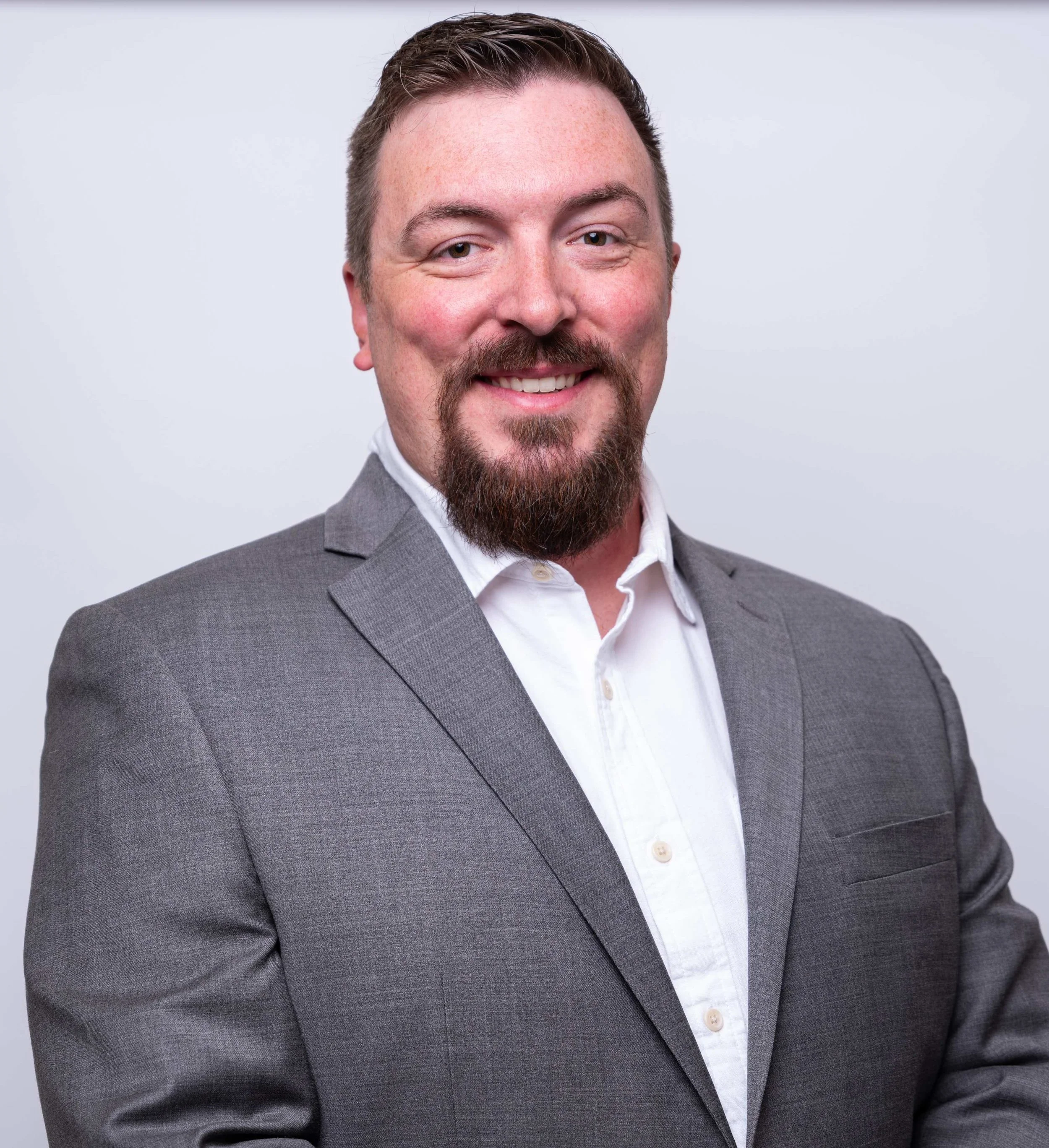
I'm Marcus Blanchard, CFP® — an independent financial planner in Pleasant Grove, Utah, working with clients across the country.
Fee-only means I'm paid directly by you — not by fund companies or insurance carriers. Fiduciary means I'm legally required to act in your interest. Independent means no quotas, no preferred products, no sales pressure of any kind.
I work with a small number of households by design. When you're a client, you deal with me directly — every time.